
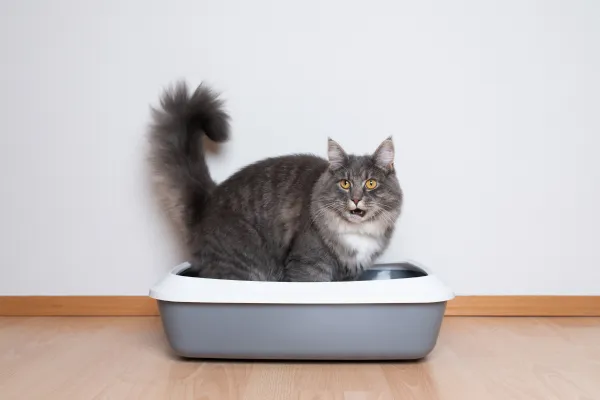
Why Multiple Litter Boxes Matter in a Multi-Cat Home
If you share your home with more than one cat, providing multiple litter boxes isn't just a recommendation, it's one of the most important steps you can take to support your cats' physical health, emotional well-being, and household harmony.
Many cat owners assume that if they have two cats, one large litter box should be enough. In reality, cats are highly sensitive animals with strong instincts surrounding territory, privacy, and cleanliness. When bathroom options are limited, stress and conflict can develop, sometimes leading to litter box avoidance, inappropriate urination, or even medical concerns.
Understanding the Cat Mindset
Unlike dogs, cats are both predators and prey in the wild. This unique role has shaped many of their behaviours, including how they approach elimination.
When a cat uses the litter box, they are in a vulnerable position. They prefer a location where they feel safe, can easily escape if needed, and are not forced to compete with other cats. In multi-cat households, sharing a single litter box can create tension, even among cats that otherwise appear to get along.
Some cats may quietly avoid a litter box that another cat frequently uses, while others may become territorial and block access altogether. Because cats are masters at hiding stress, these issues often go unnoticed until behavioural problems begin to appear.
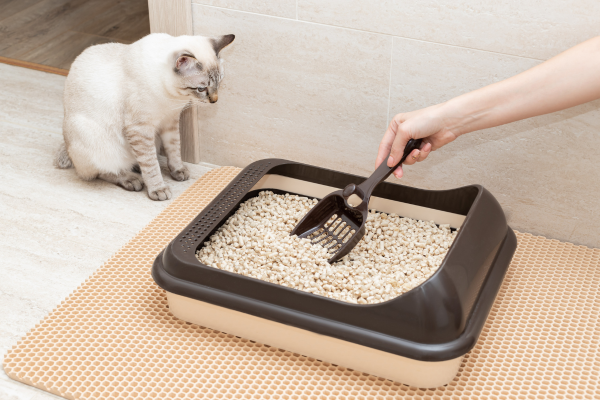
The Golden Rule: One Box Per Cat, Plus One
Veterinarians and feline behaviour experts commonly recommend having one litter box per cat, plus one extra.
For example:
1 cat = 2 litter boxes
2 cats = 3 litter boxes
3 cats = 4 litter boxes
While this may seem excessive at first, providing additional options significantly reduces competition and allows each cat to choose a location where they feel comfortable.
The goal is not necessarily for every box to be used equally. Instead, you're giving your cats choices, which helps reduce stress and promotes healthy bathroom habits.
Why More Litter Boxes Improve Health
Adequate litter box access can have a direct impact on your cat's health.
When cats feel uncomfortable using a litter box, they may begin holding their urine or stool longer than they should. Over time, this can contribute to constipation, urinary tract issues, and increased stress levels.
Stress itself is a major factor in several feline medical conditions, including feline idiopathic cystitis (FIC), a painful inflammatory condition affecting the bladder. Environmental stressors, including litter box conflicts, can play a role in triggering flare-ups.
Providing multiple clean litter boxes is one of the easiest ways to create a lower-stress environment for your cats.
Location Matters Just as Much
Even if you have the right number of litter boxes, placement is equally important.
Avoid grouping all litter boxes together in one room. Cats often view a cluster of litter boxes as a single resource rather than multiple options.
Instead, spread litter boxes throughout your home in quiet, easily accessible locations. This is especially important in multi-level homes, where cats should have access to a litter box on each floor.
Avoid placing litter boxes near:
Food and water dishes
Loud appliances such as washers or furnaces
High-traffic areas where cats may feel exposed
Areas where another pet could corner them
A good litter box location should provide privacy while still allowing the cat to easily see and escape their surroundings.
Signs Your Cat May Need More Litter Box Options
Some signs that your cat may be experiencing litter box stress include:
Urinating or defecating outside the litter box
Waiting for another cat to leave before using the box
Frequent trips to the litter box with little output
Increased hiding or anxiety around other cats
Sudden changes in bathroom habits
Urinating on beds, laundry, or furniture
It's important to remember that these signs can also indicate underlying medical conditions. Any sudden change in litter box behaviour should be discussed with your veterinarian.
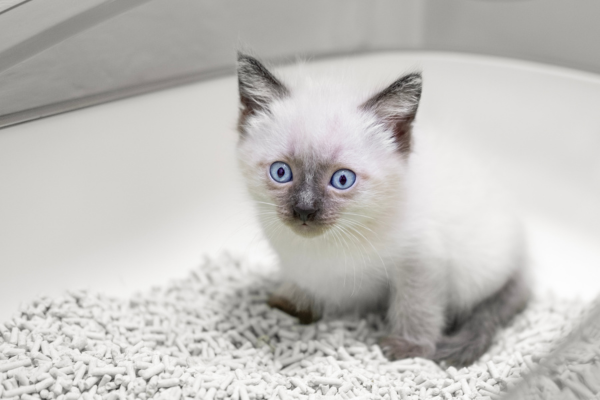
Choosing the Right Litter Box
Cats generally prefer litter boxes that are:
Large enough to comfortably turn around in
Easy to enter and exit
Clean and scooped daily
Filled with an unscented litter
Located in quiet areas
While covered litter boxes may appeal to humans, many cats prefer open boxes that allow them to monitor their surroundings and escape quickly if necessary.
Creating a Cat-Friendly Home
Multiple litter boxes are just one part of creating a healthy environment for cats. Providing vertical space, scratching posts, hiding areas, resting spots, and separate feeding stations can also help reduce tension in multi-cat households.
The more opportunities cats have to make choices and avoid conflict, the more comfortable and confident they tend to be.
When to Talk to Your Veterinarian
If your cat suddenly stops using the litter box, begins urinating outside the box, strains while urinating, or shows any signs of discomfort, a medical issue should always be ruled out first.
Many urinary and gastrointestinal conditions can present as litter box problems. Early diagnosis and treatment can make a significant difference in your cat's comfort and long-term health.
At Ospika Animal Hospital, we're happy to help evaluate behavioural and medical causes of litter box concerns. If you're noticing changes in your cat's bathroom habits, contact our team to schedule an examination and discuss the best plan for your feline family.
A few extra litter boxes may seem like a small change, but for many cats, having options can make all the difference.
