
Why Is My Pet Losing Weight?
Most pet owners don't notice weight loss all at once.
Instead, it's usually something subtle. You might be petting your dog and realize their ribs feel a little more noticeable than before. Perhaps your cat jumps onto your lap and feels lighter than usual. Sometimes it's a friend, family member, or even your veterinarian who points it out first.
Weight loss can be easy to overlook, especially when it happens gradually. But unlike a planned diet or increased exercise program, unexplained weight loss is often your pet's way of telling you that something isn't right.
While there are many possible explanations, one thing remains true: if your pet is losing weight unexpectedly, it's worth investigating.
Not All Weight Loss Is Obvious
One of the challenges with weight loss is that it can occur slowly over weeks or months.
Because we see our pets every day, gradual changes often go unnoticed. It's similar to watching a child grow, you don't always see the difference until you compare old photos or step back and take a closer look.
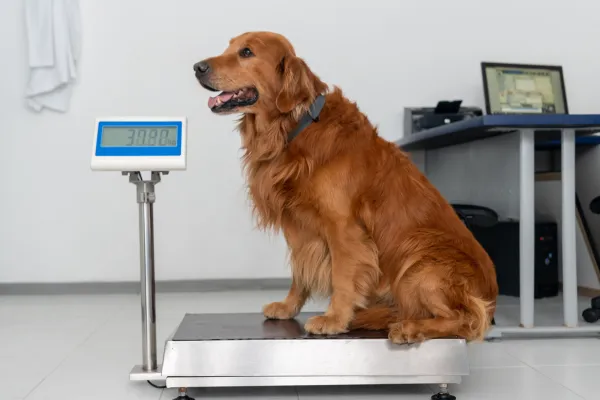
This is one reason routine wellness examinations are so valuable. Regular weigh-ins allow veterinarians to identify trends that may not be obvious at home.
Sometimes a few pounds may not seem significant, but depending on the size of the pet, even a modest amount of weight loss can be important.

Weight Loss Isn't Always Related to Appetite
Many owners assume that if a pet is losing weight, they must not be eating enough.
While decreased appetite can certainly cause weight loss, some medical conditions actually cause pets to lose weight while maintaining a normal appetite, or even eating more than usual.
This can be confusing because owners naturally associate a good appetite with good health.
In reality, weight loss accompanied by an increased appetite is often one of the most important clues veterinarians use when investigating underlying disease.
Could It Be Diabetes?
Diabetes is one of the more common causes of unexplained weight loss in both dogs and cats.
When diabetes develops, the body loses its ability to properly utilize glucose for energy. Even though food is being consumed, the body's cells are unable to access that energy efficiently. As a result, the body begins breaking down fat and muscle stores to compensate.
Many diabetic pets continue eating normally and may even appear hungrier than usual. Increased thirst and increased urination are also common signs that often accompany weight loss.
The encouraging news is that diabetes can often be successfully managed when diagnosed early.
Hyperthyroidism in Cats
For older cats, hyperthyroidism is one of the most common causes of weight loss.
This condition occurs when the thyroid gland produces excessive amounts of thyroid hormone, causing the body's metabolism to speed up significantly.
Owners are often surprised because affected cats frequently continue eating well and may even seem ravenous. Despite their increased appetite, they continue to lose weight because their bodies are burning energy at an accelerated rate.
Many cats with hyperthyroidism also become more vocal, restless, or active than usual.
Fortunately, there are several effective treatment options available once a diagnosis is made.
Kidney Disease
Kidney disease is another common cause of weight loss, particularly in senior pets.
The kidneys perform many essential functions, including filtering waste products from the bloodstream and helping regulate fluid balance. As kidney function declines, pets may gradually lose weight, drink more water, urinate more frequently, and experience changes in appetite.
One of the challenges with kidney disease is that it often develops slowly. Early symptoms can be subtle, which is why routine bloodwork plays such an important role in identifying problems before they become advanced.
Dental Disease Can Make Eating Painful
Many people are surprised to learn how often dental disease contributes to weight loss.
Dogs and cats are remarkably good at hiding oral pain. In fact, many continue eating despite significant dental discomfort.
Over time, however, painful teeth, infected gums, or advanced dental disease can make eating difficult and unpleasant. Some pets begin eating less, chewing more slowly, dropping food, or avoiding certain types of food altogether.
Because dental disease often develops gradually, owners may not recognize the impact it is having on their pet's quality of life.

Digestive Disorders and Nutrient Absorption
Sometimes a pet is eating enough food, but their body isn't absorbing nutrients properly.
A variety of gastrointestinal conditions can interfere with digestion and nutrient absorption, leading to gradual weight loss. In some cases, these pets may experience vomiting, diarrhea, soft stools, or changes in appetite. In other cases, weight loss may be the only obvious sign.
The digestive system is responsible for converting food into usable energy. When that process becomes disrupted, weight loss often follows.
Cancer Is One Possible Cause
It's impossible to discuss unexplained weight loss without acknowledging that cancer can sometimes be a contributing factor.
Not every pet that loses weight has cancer, far from it. There are many more common and often more manageable causes. However, certain cancers can affect appetite, metabolism, digestion, and overall body condition.
This is one reason veterinarians take unexplained weight loss seriously, particularly in older pets.
The goal is not to assume the worst, but rather to identify the cause as early as possible.
Muscle Loss Matters Too
When owners think about weight loss, they often focus on the number on the scale.
Veterinarians also pay close attention to muscle mass.
As pets age or develop certain medical conditions, they may lose muscle even when their overall weight remains relatively stable. This is especially common in senior pets and can sometimes be one of the earliest indicators that additional investigation is needed.
Changes around the spine, hips, shoulders, and head often provide important clues about a pet's overall condition.
When Should You Be Concerned?
A small amount of weight fluctuation can be normal, particularly if your pet's activity level changes or they're following a veterinarian-directed weight management program.
However, unexplained weight loss should never be ignored.
If you've noticed that your pet feels thinner, their ribs or spine are becoming more prominent, their appetite has changed, or they're displaying other unusual symptoms, it's a good idea to schedule an examination.
Even if your pet otherwise appears happy and comfortable, weight loss is often one of the body's earliest warning signs that something else is happening and requires extra attention.
Finding Answers Early
One of the most important things pet owners can do is avoid taking a "wait and see" approach when unexplained weight loss occurs.
Many of the conditions that cause weight loss, including diabetes, kidney disease, thyroid disorders, dental disease, and digestive conditions, are far easier to manage when identified early.
The sooner a diagnosis is made, the sooner a treatment plan can begin. Weight loss isn't a disease itself, it's a symptom.
Sometimes the cause is relatively straightforward. Other times, it may be the first visible sign of an underlying medical condition. Either way, unexpected weight loss deserves attention.
At Ospika Animal Hospital, we encourage pet owners to monitor changes in body condition just as closely as changes in appetite, energy level, or behaviour. If your pet seems thinner than usual, feels lighter in your arms, or isn't maintaining their normal weight, we'd be happy to help determine why.
A few lost pounds may not seem like much, but they can tell us a great deal about your pet's overall health.
