
Why Is My Pet Drinking So Much Water?
Most pet owners know their dog's favourite toy, where their cat likes to nap, and exactly when dinner is expected to be served. Because of that familiarity, it's often the little changes that catch our attention first.
One of the most common concerns we hear from pet owners is, "My pet seems to be drinking a lot more water lately. Should I be worried?"
The answer is: maybe.
Just like people, a pet's water intake can naturally fluctuate from day to day. Hot weather, increased activity, dietary changes, and even stress can cause your dog or cat to drink more than usual. However, when increased thirst becomes persistent or is accompanied by other changes, it can be an early sign of an underlying medical condition.
Knowing the difference between normal and abnormal water consumption can help you recognize when it's time to seek veterinary advice.
What Is Considered Normal?
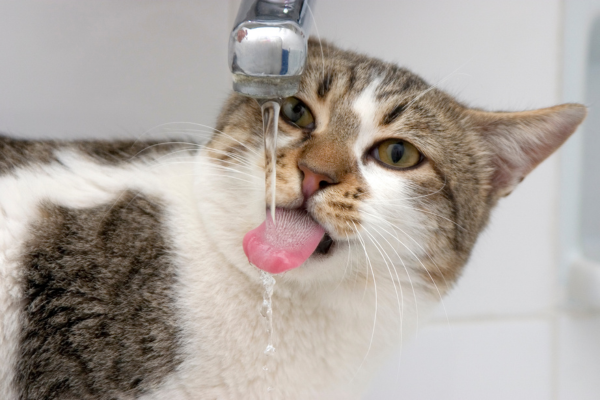
Most pet owners don't measure exactly how much water their pet drinks each day, and that's perfectly normal. Instead, you likely notice patterns. Maybe you're refilling the water bowl more often than usual, or perhaps your cat suddenly seems to be spending much more time at the water dish.
While water requirements vary depending on size, diet, activity level, and environmental conditions, the key thing to pay attention to is change. If your pet's drinking habits are noticeably different from what you've come to expect, it's worth paying attention.
It's also important to remember that pets eating canned food often consume less water than those eating dry kibble because they receive additional moisture from their meals.
When More Water Isn't Just More Water
Veterinarians use the term polydipsia to describe excessive thirst. Often, excessive thirst goes hand in hand with polyuria, which means increased urination.
In simple terms, what goes in must come out.
If you're noticing larger urine clumps in the litter box, more frequent trips outside, accidents in the house, or a dog asking to go out during the night, these changes may be connected to increased water consumption.
While some causes are relatively minor, others can indicate medical conditions that benefit from early diagnosis and treatment.
Diabetes
One of the most well-known causes of increased thirst in pets is diabetes.
When blood sugar levels become elevated, the body attempts to eliminate excess glucose through the urine. This process pulls additional water along with it, leading to increased urination and, consequently, increased thirst.
Many pets with diabetes also experience weight loss despite maintaining a normal appetite. Some owners are surprised to learn that a pet can seem hungry all the time while simultaneously losing weight.
The good news is that diabetes can often be managed successfully when identified early.
Kidney Disease
The kidneys play a vital role in regulating fluid balance and filtering waste products from the bloodstream. When kidney function begins to decline, pets often drink more water in an attempt to compensate.
Kidney disease is particularly common in older cats, although it can occur in dogs as well. In the early stages, increased thirst may be one of the only noticeable signs.
Because kidney disease can progress gradually, routine wellness exams and bloodwork are often instrumental in identifying problems before they become severe.
Hormonal Conditions
Certain hormonal disorders can also cause excessive drinking and urination.
In dogs, a condition called Cushing's disease is one example. This ailment occurs when the body produces excessive amounts of cortisol, a hormone involved in stress response and metabolism. Dogs with Cushing's disease often develop an increased appetite, drink more water, urinate more frequently, and may develop a characteristic pot-bellied appearance over time.
Other hormonal conditions can create similar symptoms, which is why diagnostic testing is often necessary to determine the underlying cause.
Urinary Tract Issues
Not every case of increased water consumption points to a major disease. Sometimes the body increases water intake in response to urinary tract infections, bladder inflammation, or other urinary problems.
Cats, in particular, can be prone to urinary issues that may initially appear as changes in drinking or litter box habits.
If your pet is straining to urinate, producing only small amounts of urine, visiting the litter box repeatedly, or showing signs of discomfort, veterinary attention should be sought promptly.
Sometimes the Signs Are Subtle
One challenge with increased thirst is that it often develops gradually. Because we see our pets every day, small changes can be easy to overlook.
You may not notice that the water bowl is being emptied more quickly until you're refilling it twice as often. You may attribute more frequent trips outside to good weather or assume your cat is simply becoming more active around the house.
That's why routine wellness examinations are so valuable. Subtle changes that seem insignificant on their own can help paint a larger picture when combined with physical exams, bloodwork, and other diagnostic tests.
What Should You Watch For?
Increased thirst becomes more concerning when it occurs alongside other changes such as:
Increased urination
Weight loss
Changes in appetite
Vomiting
Diarrhea
Decreased energy
House-soiling accidents
Changes in litter box habits
A dull or unkempt coat
These signs don't necessarily mean your pet has a serious illness, but they do warrant a conversation with your veterinarian.
Don't Wait for More Obvious Symptoms
One of the most common mistakes pet owners make is waiting until additional symptoms appear before seeking advice.
The challenge is that many conditions causing excessive thirst are much easier to manage when identified early. By the time a pet becomes visibly ill, the disease process may already be well advanced.
If you've found yourself thinking, "My pet seems to be drinking a lot more water than usual," trust your instincts. You know your pet better than anyone else.
The Bottom Line
A bigger thirst isn't always a cause for concern. Sometimes it's simply the result of warmer weather, increased activity, or a change in diet. However, persistent increases in water consumption can also be one of the earliest signs of conditions such as diabetes, kidney disease, hormonal disorders, or urinary tract problems.
Paying attention to these subtle changes can make a meaningful difference in your pet's health. If you're noticing that the water bowl seems to be emptying faster than usual, or if your pet's drinking habits have changed significantly, it's worth having them evaluated.
At Ospika Animal Hospital, we're here to help you understand what's normal, what's not, and when further investigation may be needed. Sometimes a simple conversation, physical examination, or blood test can provide valuable answers, and peace of mind.
