
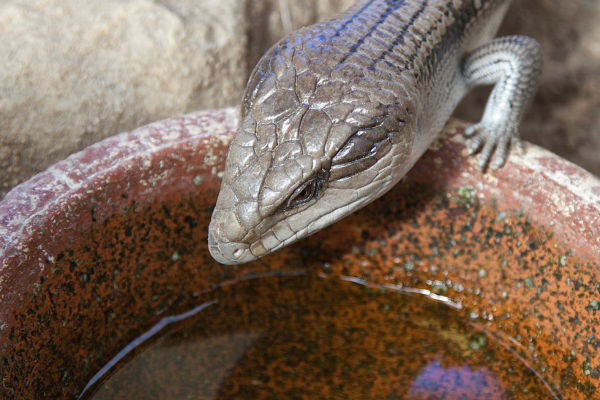
Why Is My Pet Drinking More Water Than Usual?
Most pet owners have a pretty good sense of their animal’s normal routine.
You know roughly how often the water bowl needs to be filled, how many trips your dog makes outside, or how frequently you hear your cat drinking from the kitchen sink when they think nobody is watching.
That is why a sudden increase in thirst can stand out.
Maybe the water bowl that usually lasts all day is empty by lunchtime. Perhaps your dog is asking to go outside more often, or your cat seems to be spending much more time around the water dish.
Sometimes there is a simple explanation. Hot weather, increased exercise, changes in diet, or certain medications can all make pets drink more.
But persistent changes in thirst can also be one of the first signs that something is happening internally.
Why Do Pets Drink More Water?
Thirst is controlled by a number of systems in the body, including the kidneys, hormones, blood sugar, hydration levels, and electrolyte balance.
When one of these systems changes, the body may respond by telling your pet to drink more.
In some cases, increased thirst happens because the kidneys are producing more urine than usual. Your pet then drinks more water to replace the fluid being lost.
This is why increased drinking and increased urination often occur together.
Veterinarians sometimes refer to these changes as polydipsia, meaning increased thirst, and polyuria, meaning increased urine production.
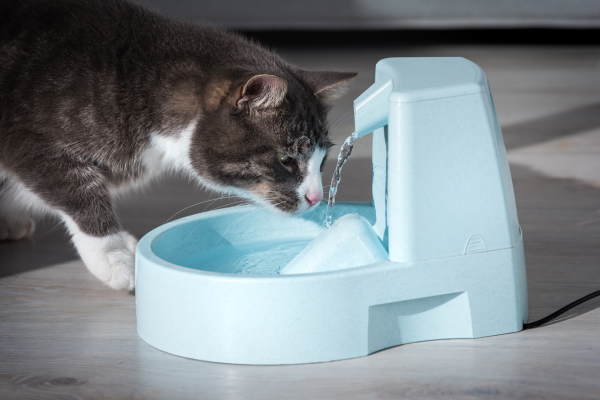
When Increased Thirst May Be Normal
Not every extra trip to the water bowl is cause for concern.
Pets may naturally drink more after a long walk, during warmer weather, after eating dry food, or following an especially active day.
Changes in food can also make a difference. A pet eating mostly canned food receives a significant amount of moisture through their diet, while a pet eating dry kibble may drink considerably more water.
Certain medications, including some commonly prescribed steroids and diuretics, can also increase thirst and urination.
The important thing to pay attention to is whether the change is expected and temporary, or whether it seems to be becoming your pet's new normal.
Medical Conditions Can Affect Thirst
Persistent increased drinking can occur with a wide range of health conditions.
Kidney disease is one possible cause. Healthy kidneys help concentrate urine and conserve water. When kidney function changes, pets may produce larger volumes of dilute urine and compensate by drinking more.
Diabetes can also cause increased thirst. When blood sugar becomes too high, glucose may spill into the urine and draw additional water with it.
Certain hormonal conditions can have similar effects, including Cushing's disease in dogs and hyperthyroidism in cats.
Other possibilities can include liver disease, urinary tract problems, electrolyte abnormalities, infections, and other illnesses.
This is why increased thirst is considered a symptom rather than a diagnosis. The water bowl may be where you first notice the change, but figuring out why it is happening often requires looking at the bigger picture.
Watch for Other Changes
If your pet is drinking more, pay attention to what else may be different.
Are they urinating more frequently or having accidents in the house? Has their appetite changed? Have they gained or lost weight? Do they seem more tired than usual?
Vomiting, diarrhea, weakness, changes in coat quality, changes in appetite, or unusual behaviour can all provide useful information.
Even small details can help your veterinary team determine what may be going on.
Should You Measure How Much Your Pet Drinks?
You do not necessarily need to start measuring every drop of water your pet consumes.
For many owners, simply recognizing that they are filling the bowl much more often than usual is useful information.
If your veterinarian wants a more accurate measurement, they may ask you to track water consumption over a 24-hour period.
This is much easier in a single-pet household than in a home where several pets share the same bowls, so do not worry if you cannot provide an exact number.
Knowing that there has been a noticeable change is often a helpful starting point.
Never Restrict Access to Water
If your pet suddenly begins drinking more, it can be tempting to limit their water because they are urinating frequently.
That should generally be avoided unless your veterinarian has specifically instructed you otherwise.
Increased drinking may be your pet's way of compensating for fluid being lost through increased urination. Restricting water could potentially lead to dehydration.
Fresh water should remain available while the underlying cause is being investigated.
How Veterinarians Investigate Increased Thirst
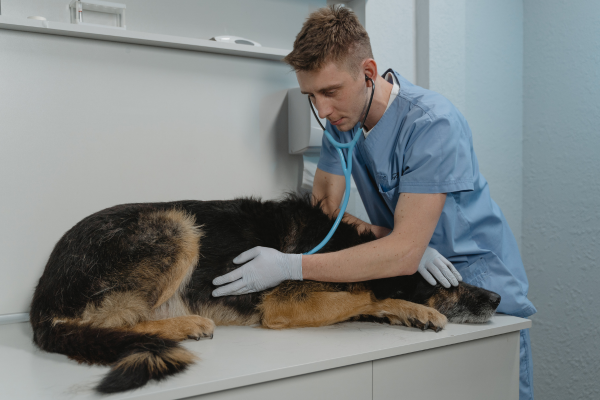
Your veterinarian will usually begin with a physical examination and questions about what you have noticed at home.
Depending on your pet's age, symptoms, and medical history, blood testing and urine testing may be recommended.
These tests can provide information about kidney function, blood sugar, liver health, hydration, infection, and other possible causes.
Sometimes additional testing is needed, but routine bloodwork and urinalysis often provide an excellent starting point.
Trust Changes From Your Pet's Normal
One of the advantages pet owners have is familiarity.
You may not know exactly how many millilitres of water your dog normally drinks, but you probably know when the bowl suddenly seems empty all the time.
That change is worth paying attention to.
Increased thirst does not automatically mean something serious is wrong, but when it persists without an obvious explanation, it deserves a closer look.
If you've noticed your pet drinking or urinating significantly more than usual, contact your veterinary team. Catching subtle changes early can sometimes help identify health problems before other symptoms become obvious.
