
Why Does My Dog Eat Grass?
It's one of the oldest questions in pet ownership.
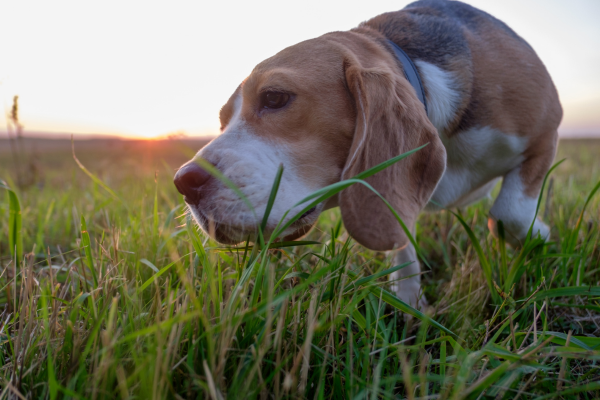
You're out for a walk or watching your dog explore the backyard when suddenly they lower their head and begin grazing like a tiny four-legged cow. A few bites might not seem unusual, but when your dog appears genuinely interested in snacking on the lawn, it's natural to wonder what's going on.
Are they sick? Missing something in their diet? Trying to make themselves vomit?
The truth is that grass eating is incredibly common in dogs, and in most cases, it isn't a cause for concern. However, understanding why dogs eat grass, and when it might signal a problem, can help you know what's normal and when it's worth discussing with your veterinarian.
The Short Answer: We Don't Know Exactly Why
As surprising as it sounds, there isn't one universally accepted explanation for why dogs eat grass.
Veterinarians and animal behaviourists have studied the behaviour for years, and while several theories exist, no single answer explains every dog.
What we do know is that grass eating is extremely common. Many healthy dogs occasionally nibble on grass despite having balanced diets, normal digestive systems, and no underlying medical issues.
In other words, grass eating by itself does not automatically mean something is wrong.
Are Dogs Trying to Make Themselves Vomit?
This is probably the most common explanation pet owners have heard.
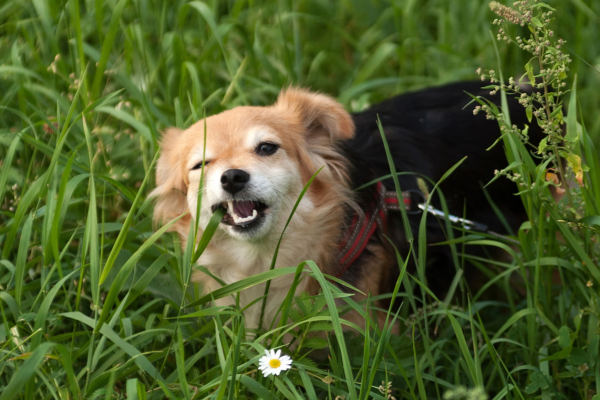
Many people believe dogs eat grass because they feel nauseous and are attempting to induce vomiting.
There may be some truth to this in certain situations. Some dogs do appear to seek out grass when they're experiencing mild digestive upset. However, research suggests that most dogs who eat grass are not actually sick beforehand, and the majority don't vomit afterward.
If every grass-eating episode is followed by vomiting, that could indicate an underlying issue worth investigating. But for most dogs, grass consumption seems to occur without any obvious digestive distress.
It May Be Normal Canine Behaviour
One of the simplest explanations is that grass eating is just a normal behaviour for some dogs.
Wild canids, including wolves and coyotes, have been observed consuming plant material as part of their natural diets. While modern dogs have evolved alongside humans for thousands of years, many instinctive behaviours remain.
Dogs experience the world through their noses and mouths. Just as some dogs enjoy carrying sticks, chewing toys, or digging holes, others may simply find grass interesting.
For many dogs, taking a few bites of grass may be no different than stopping to investigate a particularly interesting smell.
Could It Be Boredom?
Sometimes grass eating has less to do with nutrition and more to do with entertainment.
Dogs that spend long periods alone in the yard or have limited opportunities for mental stimulation may develop habits simply because they have nothing else to do.
This doesn't necessarily mean there's a problem. Dogs naturally explore their environment, and chewing on grass may become one of many ways they occupy themselves.
If your dog seems to eat grass primarily when they're outside alone, increasing physical exercise, interactive play, training sessions, or enrichment activities may reduce the behaviour.
What About Diet?
Many owners worry that grass eating means their dog is lacking an important nutrient.
While this theory has been around for decades, there is very little evidence to suggest that most grass-eating dogs have nutritional deficiencies.
Dogs fed complete and balanced commercial diets generally receive the nutrients they require. If a nutritional imbalance were the primary cause, we'd expect grass eating to disappear once diets were corrected, but that doesn't consistently happen.
That said, every dog is different. In rare cases, dietary factors may contribute to unusual eating behaviours, which is one reason veterinarians evaluate the whole picture when discussing concerns with owners.
When Grass Eating Becomes Excessive
Occasional grass consumption is usually harmless.
However, some dogs become unusually focused on eating grass. They may seek it out constantly during walks, consume large amounts in a short period of time, or appear almost obsessive about the behaviour.
When grass eating becomes excessive, it's worth considering whether an underlying issue may be contributing.
Digestive disorders, chronic nausea, gastrointestinal irritation, anxiety, and certain behavioural conditions can sometimes lead to increased interest in eating non-food items.
This doesn't mean every grass-loving dog has a medical problem, but significant changes in behaviour deserve attention.
Is Eating Grass Dangerous?
Grass itself is not typically toxic to dogs.
The greater concern often comes from what may be on the grass.
Lawns and landscaped areas can be treated with fertilizers, herbicides, pesticides, or other chemicals that may be harmful if ingested. Public spaces and parks may also contain plants that are toxic to pets.
For this reason, it's a good idea to discourage grazing in areas where chemical treatments may have been applied or where the safety of the environment is uncertain.
Another potential concern is intestinal parasites. In some situations, grass can become contaminated with parasite eggs left behind by infected animals.
While the overall risk remains relatively low, it's another reason routine parasite prevention and veterinary care remain important.
When Should You Be Concerned?
Most grass eating is completely normal and doesn't require treatment.
However, it's worth speaking with your veterinarian if the behaviour is accompanied by:
Frequent vomiting
Diarrhea
Weight loss
Decreased appetite
Lethargy
Excessive drooling
Changes in behaviour
Consumption of other non-food items
The key is looking at the whole picture. A healthy dog that occasionally snacks on grass is very different from a dog that suddenly begins eating large amounts while also showing signs of illness.
Trust What You Know About Your Dog
One of the best tools pet owners have is familiarity.
You know your dog's normal habits, routines, and personality. If something seems significantly different or unusual, it's worth paying attention.
Sometimes the behaviour itself isn't the issue, it's the change in behaviour that matters.
The Bottom Line
Despite years of research, we still don't know exactly why dogs eat grass. For many dogs, it's simply a normal behaviour that appears to have little medical significance. Others may be responding to mild digestive upset, boredom, curiosity, or environmental factors.
The good news is that occasional grass eating is usually nothing to worry about.
At Ospika Animal Hospital, we encourage pet owners to look at the bigger picture. If your dog is otherwise healthy, active, eating normally, and only occasionally samples the lawn, chances are it's simply one of the many quirky behaviours that make dogs so entertaining. However, if grass eating becomes excessive or is accompanied by other symptoms, we're always happy to help determine whether something more may be going on.
After all, dogs may not be able to tell us why they're eating grass, but they often give us other clues if they need our attention.
