
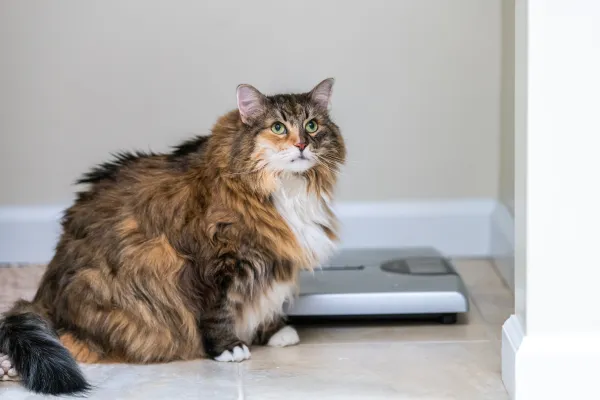
Understanding and Addressing Pet Obesity
Pet obesity is an increasingly common concern among dogs and cats across Canada, including in Prince George, BC. According to estimates from The University of Guelph, between 50% and 60% of pets in Canada are overweight or obese, making weight management one of the most important factors in promoting long-term health in companion animals.
Several lifestyle and biological factors contribute to the rising rates of obesity in pets. Overfeeding and poor dietary habits are primary culprits. Excessive portion sizes, frequent treats, and high-calorie food can lead to gradual weight gain, especially when pets receive additional table scraps or free-feed throughout the day. Lack of physical activity further compounds the issue; many pets do not get sufficient daily exercise, and this sedentary lifestyle leads to calories being stored as fat rather than burned off.

Owner-related factors—such as a person’s own activity level, routines, and perceptions about what constitutes a healthy pet—also influence a pet’s weight. Finally, spaying or neutering can change an animal’s metabolism; without appropriate dietary adjustments after these procedures, weight gain becomes more likely.
The consequences of obesity in pets extend far beyond a few extra pounds. Carrying excess weight significantly increases the risk of serious health conditions, including diabetes mellitus, osteoarthritis and joint pain, heart and respiratory disease, and even certain cancers. Overweight animals often have a reduced lifespan and a lower quality of life, particularly due to limited mobility and difficulty engaging in play or exercise.
Thankfully, many aspects of pet obesity are preventable and manageable with the right approach. Regular veterinary check-ups are critical; your vet can assess your pet’s weight and body condition, helping to catch weight gain early and establish a health plan before more serious issues arise. Implementing a balanced diet with controlled portions—measured carefully and tailored to your pet’s age, breed, and activity level—can make a significant difference. Establishing consistent feeding schedules and eliminating free-feeding, along with limiting treats and avoiding table scraps, helps regulate calorie intake. Encouraging daily exercise, whether through walks for dogs or interactive play and toys for cats, keeps your pet active and engaged. Regular body condition monitoring at home, paired with veterinary guidance, ensures that your pet’s weight and activity plans can be adjusted as needed for optimal results.

At Ospika Animal Hospital in Prince George, BC, we understand the unique challenges pets face in Northern British Columbia. Our team is committed to supporting you and your companion through personalized weight management strategies designed for long-term success. From routine weight checks and tailored nutritional plans to exercise guidance and regular follow-ups, we partner with you every step of the way. By working together, we can help ensure your pet stays happy, healthy, and active for years to come—so they can enjoy life to the fullest by your side.
If you’re concerned about your pet’s weight or want help creating a healthy lifestyle plan, don’t hesitate to reach out to our team. Your pet’s wellbeing is our priority, and with the right support, even small changes can lead to big improvements in health and quality of life.
