
Understanding Pet Bloodwork: What Are We Actually Looking For?
It's a conversation that happens every day in veterinary clinics.
Your veterinarian recommends bloodwork, and while most pet owners understand it's important, many aren't entirely sure what those tests are actually looking for.
Unlike people, our pets can't tell us when something feels off. They can't describe fatigue, nausea, dizziness, or pain. Often, bloodwork gives us our first glimpse beneath the surface, helping identify health concerns long before they become obvious at home.
Think of bloodwork as an internal health snapshot. It allows veterinarians to assess how your pet's organs are functioning, look for signs of illness, and establish a baseline that can be used to monitor changes over time.
Why Bloodwork Matters Even When Your Pet Seems Healthy
One of the biggest misconceptions about bloodwork is that it's only necessary when a pet appears sick.
In reality, many medical conditions develop gradually. Kidney disease, liver disease, diabetes, thyroid disorders, and certain cancers can all progress quietly before obvious symptoms appear.
By the time a pet begins showing visible signs of illness, the disease process may already be advanced.
Routine bloodwork helps us identify abnormalities earlier, often when treatment options are more effective and before your pet's quality of life is impacted.
This is particularly important for senior pets. Dogs and cats age much faster than people, which means significant health changes can occur in what feels like a relatively short period of time.
What Happens During Bloodwork?
The process itself is usually quick and straightforward.
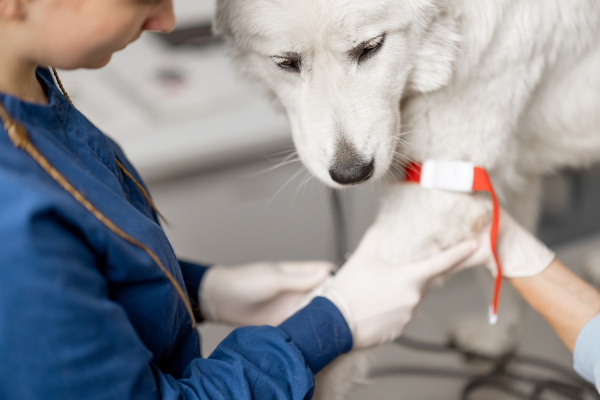
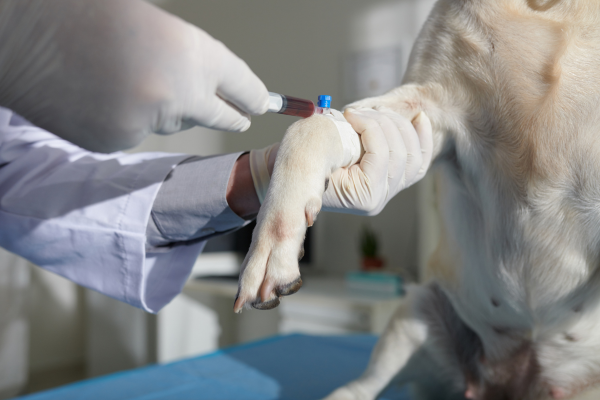
A small sample of blood is collected, typically from a vein in the leg or neck. Most pets tolerate the procedure very well, and the sample is then analyzed either in-house or through a veterinary laboratory.
From that single sample, veterinarians can gather a surprising amount of information.
The Complete Blood Count (CBC)
One of the most common tests performed is called a Complete Blood Count, or CBC.
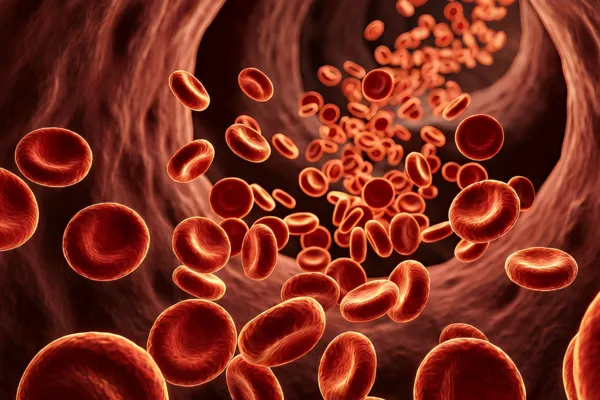
This portion of the bloodwork evaluates your pet's red blood cells, white blood cells, and platelets.
Red blood cells are responsible for carrying oxygen throughout the body. Low red blood cell counts may indicate anemia, blood loss, or certain chronic diseases.
White blood cells help fight infection and respond to inflammation. Elevated levels can sometimes suggest infection, inflammation, stress, or immune system disorders.
Platelets play a critical role in blood clotting. Abnormal platelet counts can increase the risk of bleeding problems or point toward underlying disease processes.
Looking at Organ Function
Another major component of routine bloodwork is the chemistry panel.
This test evaluates various substances circulating in the bloodstream and provides valuable information about how organs are functioning.
For example, kidney values help determine how effectively the kidneys are filtering waste products. Liver enzymes can reveal signs of liver stress or damage. Blood glucose levels help screen for diabetes, while protein levels can provide clues about hydration status, inflammation, and certain chronic illnesses.
No single number tells the whole story. Veterinarians interpret results as part of a larger picture that includes your pet's age, history, symptoms, and physical examination findings.
Bloodwork Before Anesthesia
Many owners first encounter bloodwork when their pet is scheduled for a surgical procedure.
Pre-anesthetic bloodwork helps identify hidden health concerns that could increase anesthetic risk. It allows veterinarians to evaluate organ function, hydration status, and overall health before administering medications.
While no medical procedure is completely risk-free, pre-anesthetic testing helps us make informed decisions and tailor anesthetic protocols to each individual patient to minimize the overall risk.
It's one of the many steps taken to maximize safety during surgery.
Establishing a Baseline
Even when bloodwork comes back completely normal, the results are still valuable.
A healthy baseline gives veterinarians something to compare future results against. Every pet is unique, and trends over time can sometimes be more informative than a single result.
For example, a value may still fall within the normal reference range but show a noticeable change from previous testing. That trend may prompt closer monitoring before a problem becomes more serious.
What If Something Abnormal Is Found?
Abnormal bloodwork doesn't automatically mean your pet has a serious illness.
Sometimes results are influenced by stress, recent meals, medications, or minor changes that require little or no treatment. In some cases, abnormalities may prompt additional testing to better understand what is happening.
The goal isn't simply to find problems, it's to gather information that helps us make the best decisions for your pet's health.
A Powerful Tool for Preventive Care
Veterinary medicine has advanced tremendously over the years, but one thing remains true: early detection often leads to better outcomes.
Bloodwork gives us the opportunity to identify concerns before they become emergencies, monitor chronic conditions, and ensure our pets remain as healthy as possible throughout every stage of life.
At Ospika Animal Hospital, we view bloodwork as one of the most valuable tools in preventive medicine. Whether your pet is visiting for a wellness exam, preparing for surgery, or showing signs of illness, laboratory testing can provide important insights that help guide their care.
While your pet may not be able to tell us how they're feeling, their bloodwork results often have a story to tell.
