
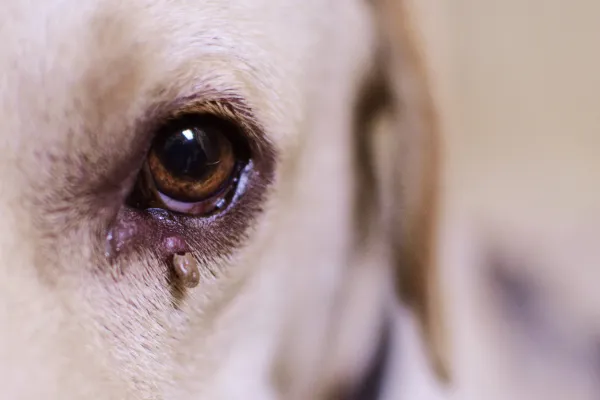
Common Pet Ailments in Northern BC: Understanding Tick‑Borne Diseases & Broader Parasitic Threats
Common Pet Ailments in Northern BC
Part Three: Understanding Tick‑Borne Diseases & Broader Parasitic Threats
Ticks are more than just a nuisance — they’re external parasites that can transmit serious diseases to pets (and humans). In British Columbia, several tick species pose a risk:
Western Blacklegged Tick (Ixodes pacificus): Found in coastal and southern interior regions, this tick can transmit bacteria causing Lyme disease, anaplasmosis, and Borrelia miyamotoi disease.
Rocky Mountain Wood Tick (Dermacentor andersoni): Established in British Columbia, it can transmit bacteria responsible for tularemia and Rocky Mountain spotted fever.
Ixodes angustus: This tick species is found throughout British Columbia and has been identified as a potential vector for Lyme disease.
Even though the overall rate of infected ticks in B.C. remains relatively low, the risk is growing — especially as climate change and increased outdoor activity expand tick habitats.

Why Prevention Is So Important for Pets
Tick‑borne diseases often develop slowly — symptoms like fatigue, joint pain, fever, or unexplained lameness may only appear days or even weeks after a bite. For pets, this can mean discomfort, severe illness, or even long‑term health consequences. Because early signs can be subtle, prevention is the best defense.
Effective Preventive Measures for Pet Owners
Here are the top ways you — and your family at Ospika — can protect pets from ticks and related diseases:
Regular tick checks — After hikes, walks, or outdoor playtime, carefully inspect your pet’s coat, focusing on hidden areas such as armpits, between toes, inside ears, and under collars.
Prompt removal — If you find a tick, remove it immediately with fine‑tipped tweezers. Grasp as close to the skin as possible and pull upward steadily. Avoid crushing the tick.
Use of tick preventatives — Ask your veterinarian about suitable topical or oral treatments for year‑round protection. Especially in Northern BC, year‑round preventive care gives pets the best protection.
Environmental management — Keep yards mowed, remove leaf litter, and clear brushy areas to reduce tick habitats. When hiking or camping, stay on the trail and avoid tall grass or dense underbrush.
Vaccinations and professional guidance — In some cases, vaccines may be available for certain tick‑borne diseases. Consulting with a vet ensures you get the approach that’s right for your pet’s lifestyle and risk level.
Broader Parasitic Threats — Why Holistic Parasite Control Matters
Ticks are only one piece of the parasite puzzle. In Northern B.C., pets can also be exposed to:
External parasites like fleas — which thrive indoors and outdoors even during milder winters.
Remedy: Treatment involves the use of veterinarian-recommended flea control products, such as topical treatments, oral medications, or flea collars. It's essential to treat all pets in the household simultaneously and to clean the home environment thoroughly to eliminate flea eggs and larvae.
Internal parasites — such as roundworms, hookworms, tapeworms — often from wildlife, contaminated soil, prey animals, or feces.
Remedy: Deworming medications prescribed by a veterinarian are effective in eliminating these parasites. Regular fecal examinations help monitor and manage infections.
Protozoan parasites — for example, waterborne agents like Giardia or Cryptosporidium, which pets may encounter if they drink or swim in contaminated water sources.
Remedy: Treatment includes specific antiprotozoal medications. Ensuring pets have access to clean, fresh water and preventing them from drinking from stagnant or potentially contaminated sources can reduce the risk of infection.
Heartworm (transmitted by mosquitoes) — historically less common in Northern BC, but with changing climates and travel patterns, it’s worth monitoring.
Remedy: Preventive monthly medications are available and are the most effective means of protection. Annual testing is recommended to ensure your pet remains heartworm-free.
That’s why a broad‑spectrum, year‑round parasite prevention plan is often the safest route — especially for pets who spend time outdoors, explore rural areas, or mingle with wildlife.

How Ospika Animal Hospital Protects Your Pet — Our Approach
At Ospika Animal Hospital in Prince George, our veterinary team delivers tailored parasite and tick‑borne disease prevention and treatment plans, built around your pet’s lifestyle and risks. Here’s what we do:
Comprehensive risk assessment — Based on where you live, how often you hike or explore, and your pet’s habits, we assess their exposure risk and recommend preventative measures.
Monthly preventatives & routine maintenance — Whether it’s oral or topical tick and flea treatments, or deworming protocols, we help you stay ahead of infestations.
Education and support — We teach pet owners safe tick‑removal techniques, signs to watch for, and strategies to manage your yard and environment to reduce parasite hotspots.
Diagnostic testing when necessary — For intestinal parasites, protozoans, or other infections, we deploy fecal exams, blood work, and other lab diagnostics to catch infections early.
Personalized parasite‑control plans — Because every pet’s lifestyle is unique, we build plans that cover all seasons — hiking, camping, backyard living, or urban walks.
Final Thoughts: Outdoor Fun + Smart Prevention = Healthy Pets
Living or adventuring in Northern BC offers so much beauty — forests, mountains, rivers — and pets often jump at the chance to explore. But with great adventure comes responsibility. By combining vigilance, smart preventive care, and professional veterinary support, you can let your pet enjoy the great outdoors without compromising their health.
At Ospika Animal Hospital, we believe in proactive, science‑backed care for pets — because healthy pets make happy families. If you’d like to build a tick and parasite prevention plan suited to your pet’s lifestyle, or want to get up-to-date on recommended treatments, contact us today. We’re here to help your four‑legged friends stay safe, healthy, and ready for the next adventure.
