
Signs Your Pet May Be Hiding Pain: What Every Pet Owner Should Know
As pet owners, we'd all like to believe that if our dog or cat was in pain, they would let us know. Unfortunately, that isn't always the case.
Many animals instinctively hide discomfort, illness, and injury. In the wild, showing weakness could make an animal vulnerable to predators or competitors. Although our pets now live safe and comfortable lives in our homes, those survival instincts remain deeply rooted.
The reality is that pets often communicate pain through subtle changes in their behaviour rather than obvious signs. Learning to recognize these changes can help your pet receive treatment sooner, improve their quality of life, and potentially prevent more serious health problems from developing.
Why Pets Hide Pain
Dogs and cats experience pain much like humans do, but they express it very differently. Rather than drawing attention to themselves, many pets become quieter, less active, or gradually alter their daily routines. These changes can happen so slowly that owners adapt to them without realizing something is wrong.
Cats are particularly skilled at masking discomfort. In fact, many cats can appear completely normal while quietly coping with chronic pain, arthritis, dental disease, or other medical conditions. This is one reason routine veterinary examinations are so important. What may appear to be normal aging could actually be a treatable health concern.
The Signs Can Be Easy to Miss
One of the most common indicators of pain is a change in activity level. A dog that once raced to the door when you grabbed a leash may suddenly seem less enthusiastic about walks. They may tire more quickly, hesitate before jumping into the car, or avoid climbing stairs. Many owners assume these changes are simply part of getting older, but pain is never considered a normal part of aging.
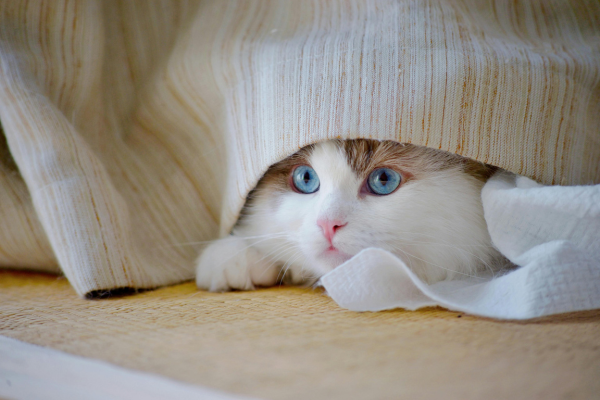
Cats often show discomfort in even subtler ways. A cat that once leapt effortlessly onto countertops, cat trees, or windowsills may begin choosing lower surfaces. They may sleep more often, become less interactive with family members, or spend more time hiding. Because these changes tend to develop gradually, they can easily go unnoticed until the problem becomes more advanced.
Behavioural changes can also be important clues. Pets experiencing discomfort may become more irritable, withdrawn, or reluctant to be touched. Some animals become unusually clingy, while others seek solitude. A normally social pet that suddenly avoids interaction may be trying to tell you something is wrong.
Changes in Grooming, Eating, and Bathroom Habits
Pain can affect nearly every aspect of a pet's daily routine. Cats suffering from arthritis often have difficulty twisting and bending to groom themselves properly, leading to a dull coat, dandruff, or matted fur. Other cats may excessively groom painful areas, creating patches of thinning hair or bald spots.
Dogs and cats experiencing dental pain may continue eating despite significant discomfort, which often surprises owners. In the wild, refusing food isn't an option, so many animals continue to eat while silently enduring painful teeth or inflamed gums. Bad breath, dropping food while eating, favouring one side of the mouth, or taking longer to finish meals can all be signs that warrant further investigation.
Even litter box habits can provide valuable insight into a cat's comfort level. A cat with arthritis may struggle to climb into a high-sided litter box or have difficulty positioning themselves comfortably. Likewise, a dog that suddenly begins having accidents indoors may not be misbehaving but instead experiencing pain or an underlying medical condition.

It's Not Always "Just Old Age"
Perhaps the biggest misconception veterinarians encounter is the belief that slowing down is simply part of getting older. While aging naturally brings physical changes, many of the behaviours owners associate with old age are actually signs of chronic pain.
A senior dog that no longer enjoys walks may have arthritis. A cat that stops jumping onto the bed may be experiencing joint discomfort. A pet that seems less playful, sleeps more often, or withdraws from family activities may be struggling with a condition that could be managed with proper veterinary care.
The good news is that veterinary medicine has advanced tremendously in recent years. From pain medications and therapeutic diets to rehabilitation therapies and arthritis treatments, there are more options than ever to help pets remain comfortable and active well into their senior years.
When Should You Contact Your Veterinarian?
Any significant change in your pet's behaviour, mobility, appetite, grooming habits, or bathroom routines deserves attention. While not every change indicates pain, subtle behavioural shifts are often the first sign that something isn't right.
The earlier a problem is identified, the more treatment options are typically available. Addressing pain early can improve your pet's comfort, preserve mobility, and enhance their overall quality of life.
Listening to What Your Pet Is Telling You
Our pets may not be able to tell us when something hurts, but they communicate in countless other ways. Changes in routine, behaviour, activity levels, or social interactions often speak volumes about how they are feeling.
At Ospika Animal Hospital, we encourage pet owners to trust their instincts. If your dog or cat seems different, even if you can't quite put your finger on why, it's worth having a conversation with your veterinarian. Sometimes the smallest changes can reveal the biggest clues about your pet's health, and addressing them early can make all the difference.
