
Is My Cat Having Trouble Urinating? What Every Cat Owner Should Know
Cats are not always obvious when something is wrong.
They often continue eating, sleeping, and moving around the house while quietly dealing with discomfort.
Urinary problems are a good example.
At first, you may simply notice your cat visiting the litter box more often than usual.
Maybe they are staying inside longer. Perhaps they suddenly urinate beside the box or in another unusual location.
These behaviours are sometimes mistaken for a behavioural issue.
But changes in litter-box habits can also be an important sign of a urinary problem, and in some cases they can become an emergency.
What Does Trouble Urinating Look Like?
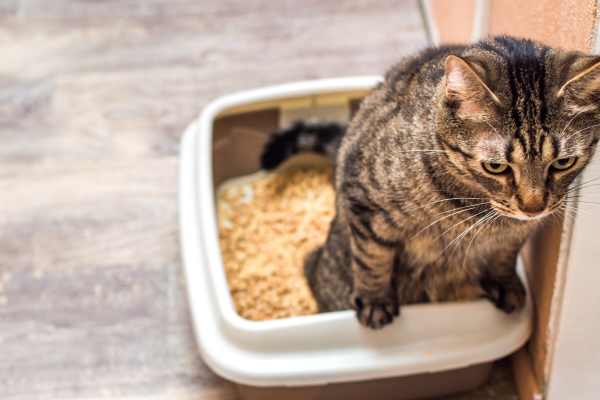
A cat experiencing urinary discomfort may repeatedly enter and leave the litter box while producing only small amounts of urine.
Some cats squat for a long time.
Others vocalize, lick around their genital area, become restless, or begin hiding.
You may also notice blood in the urine or small urine clumps appearing much more frequently in the litter.
Urination outside the litter box can happen as well.
When urinating becomes painful, a cat may begin associating the litter box with discomfort and choose another location.
That is one reason sudden inappropriate urination should never automatically be treated as bad behaviour.
Urinary Problems Have Many Possible Causes
There are several reasons a cat may develop urinary symptoms.
Bladder inflammation is common, and in many cats it can occur without a bacterial infection.
Crystals or stones can also irritate the urinary tract.
Urinary tract infections do occur, although they are more common in certain groups of cats, particularly older cats or those with other health conditions.
Stress can also play an important role in feline urinary disease.
Changes in the home, conflict between cats, a new pet, moving, changes in routine, or limited access to litter boxes can all contribute to stress in susceptible cats.
Because several conditions can create very similar symptoms, testing is often needed to determine what is happening.
The Most Important Question: Is Your Cat Producing Urine?
This is where urinary problems can become urgent.
A urethral obstruction occurs when a cat becomes unable to pass urine.
This is seen most commonly in male cats because their urethra is longer and narrower than that of female cats.
A blocked cat may repeatedly strain in the litter box but produce little or no urine.
As the bladder continues filling, waste products and electrolyte abnormalities can build up in the bloodstream.
A complete urinary obstruction is a life-threatening emergency and requires immediate veterinary treatment.
Do Not Assume Your Cat Is Constipated
Straining in the litter box can sometimes be mistaken for constipation.
Owners may see their cat crouching and pushing and assume they are trying to have a bowel movement.
Unfortunately, the same behaviour can occur when a cat is trying unsuccessfully to urinate.
If you are unsure whether your cat is passing urine, it is safest to contact your veterinarian.
This is particularly important for male cats.
Other Emergency Warning Signs
As an obstruction progresses, a cat may become increasingly uncomfortable.
They may hide, cry, vomit, stop eating, become weak, or seem unusually tired.
The abdomen may become painful.
If your cat is repeatedly straining without producing urine, do not wait for these later symptoms to appear.
Early treatment is safer and gives your veterinary team a better opportunity to stabilize the problem before complications develop.
How Are Urinary Problems Diagnosed?
Your veterinarian will usually begin with a physical examination, including feeling the bladder.
Urine testing can provide information about concentration, blood, inflammation, infection, and crystal formation.
Depending on what is suspected, blood testing, X-rays, ultrasound, or other diagnostics may also be recommended.
Treatment depends on the underlying cause.
Some cats need medication for pain and inflammation. Others may need dietary changes, increased water intake, environmental modifications, treatment for infection, or management of bladder stones.
Cats with a urinary obstruction require emergency treatment to relieve the blockage.
Water Intake Matters
Encouraging cats to consume more moisture can be an important part of urinary health.
Some cats naturally drink very little, particularly when fed mainly dry food.
Providing multiple fresh water sources can help.
Some cats prefer wide bowls that do not touch their whiskers, while others are attracted to moving water from a pet fountain.
Wet food can also significantly increase dietary moisture.
Your veterinarian can recommend the most appropriate strategy for your individual cat.
The Litter Box Can Tell You a Lot
One of the benefits of cleaning a litter box regularly is that it gives you a window into your cat's health.
You begin to recognize what normal urine clumps look like, how often your cat typically goes, and whether those habits suddenly change.
That information can be extremely valuable.
If you notice repeated litter-box visits, straining, vocalizing, blood in the urine, or unusually small amounts of urine, contact your veterinary team.
And if your cat appears unable to urinate at all, particularly if they are male, treat it as an emergency.
When it comes to urinary problems, recognizing the difference between “something seems a little off” and “my cat cannot pass urine” can quite literally save a life.
