
Pet First Aid Basics: How to Handle Common Emergencies at Home
No pet owner expects an emergency; however minor injuries, and unexpected accidents are part of life with animals. Knowing a few pet first aid basics can help you stay calm, protect your pet from further harm, and get them safely to a veterinarian when needed.
First aid is not a replacement for veterinary care. Instead, it’s about stabilizing your pet, reducing pain or risk, and buying time until professional treatment is available.
Below, we’ll walk through some of the most common pet emergencies we see, how to respond safely at home, and what every pet first aid kit should include.
Why Pet First Aid Matters
Dogs and cats can’t tell us when something hurts, or how painful it is. In stressful situations, even the gentlest pet may react unpredictably. Having basic first aid knowledge and supplies on hand can:
Prevent minor injuries from becoming serious
Reduce pain and stress for your pet
Help you respond confidently
Allow you to safely get your pet to veterinary care
Many emergencies happen suddenly and outside regular clinic hours, which makes preparation even more important.

Common Pet Emergencies and What to Do
Nail Trims and Hitting the Quick
This is one of the most common at-home injuries pet owners encounter.
What happens:
Cutting into the quick causes bleeding and pain, especially in dogs with dark nails.
What to do:
Apply gentle pressure with a clean gauze pad
Keep the paw elevated if possible
Avoid letting your pet lick the area
If bleeding doesn’t stop within 10–15 minutes, contact your vet
Styptic powder is helpful, but gauze and steady pressure often work well in a pinch.
Porcupine Quills
A frequent concern for dogs in northern BC and wooded areas.
What to do:
Do not attempt to pull quills unless directed by a veterinarian
Prevent your dog from pawing or rubbing their face
Keep them calm and restrained
Seek veterinary care immediately
Quills can migrate deeper into tissues and cause serious complications if removed incorrectly.
Cuts, Scrapes, and Minor Wounds
Small/minor injuries can happen during play, hikes, or roughhousing.
What to do:
Gently clean the area with water, if possible
Cover lightly with gauze if needed
Monitor for swelling, redness, or discharge
Any deep wound, bite, or wound that won’t stop bleeding should be seen by a veterinarian promptly.
Limping or Sudden Lameness
Pets may injure a paw, nail, or joint without obvious trauma.
What to do:
Check the paw for cuts, swelling, or foreign objects
Restrict activity and prevent jumping
Do not give human pain medications, unless directed by a veterinarian
If limping persists longer than 24 hours or worsens, book a vet visit
Choking or Gagging
Objects like toys, bones, or food can lodge in the throat.
What to do:
Stay calm and keep your pet still
Check the mouth only if it’s safe to do so
Do not blindly reach into the throat
Seek emergency veterinary care immediately
Improper handling can push objects deeper or result in bites.
Heat Stress or Overheating
This can occur even in moderate temperatures, especially in thick-coated breeds.
Signs may include:
Excessive panting, drooling, weakness, vomiting, and/or collapse.
What to do:
Move your pet to a cool, shaded area
Offer small amounts of water
Apply cool (not ice-cold) towels to the body
Contact your veterinarian immediately
Vomiting or Diarrhea
Occasional upset stomachs happen, but repeated episodes are concerning.
What to do:
Withhold food briefly unless otherwise advised
Ensure access to fresh water
Monitor energy level and hydration
Seek veterinary care if symptoms persist or worsen
Your Pet First Aid Kit Checklist
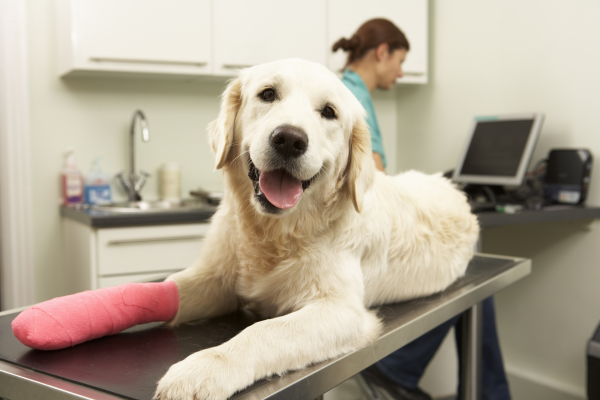
Keeping a pet first aid kit at home and in your vehicle can make a big difference. We recommend including:
Tweezers
Multi-tool with scissors
Muzzle or nylon leash
Rectal thermometer
Gauze
Adhesive tape
Latex or nitrile gloves
Large towel or blanket
Flashlight
Clean bowl
Store everything in a clearly labeled container that’s easy to grab in an emergency.
Safety First: Protect Yourself Too
Even the calmest pet may bite or scratch when they’re scared or in pain. Use a leash, towel, or muzzle when necessary, and avoid putting your hands near the mouth unless instructed by a professional. Your safety matters too.
When to Call the Vet
Always contact your veterinarian if:
You’re unsure what to do
Symptoms are severe or worsening
Your pet seems painful, lethargic, or distressed
An injury involves the eyes, mouth, chest, or abdomen
If something feels wrong, trust your instincts.
Being prepared doesn’t mean expecting the worst, it means being ready to care for your pet when they need you most. Basic first aid knowledge and a well-stocked kit can help you respond confidently and calmly during common emergencies.
If you’d like guidance on building a pet first aid kit, recognizing emergency warning signs, or preparing for outdoor adventures with your pet, the team at Ospika Animal Hospital is always happy to help.
