
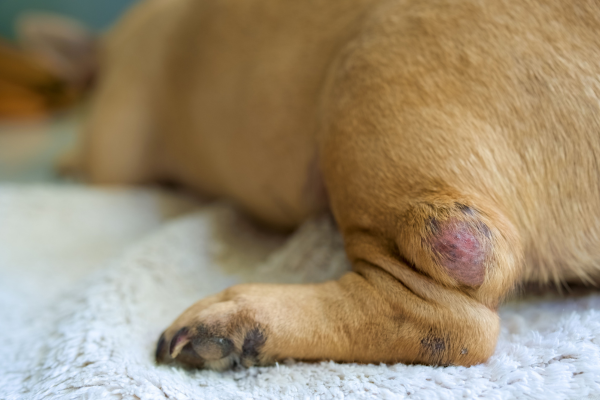
Lumps and Bumps on Pets: When Should You Be Concerned?
Few things make a pet owner pause quite like discovering a lump.
You are scratching your dog's belly or petting your cat when suddenly your fingers stop.
“Was that there before?”
From that point on, it can be difficult not to check it repeatedly.
Lumps and bumps are incredibly common in pets, particularly as they get older. Many turn out to be harmless. Others may need treatment or closer monitoring.
The challenge is that you usually cannot tell which is which simply by looking at them.
Not Every Lump Is Cancer
Finding a mass does not automatically mean your pet has cancer.
Pets can develop cysts, fatty growths, skin tags, abscesses, inflammatory swellings, benign tumours, and many other types of masses.
Dogs in particular commonly develop lipomas, which are benign growths made primarily of fat.
At the same time, some more serious growths can look remarkably similar to harmless ones from the outside.
A small soft lump can sometimes require attention, while a large dramatic-looking growth may turn out to be benign.
That is why appearance alone is rarely enough to make a diagnosis.
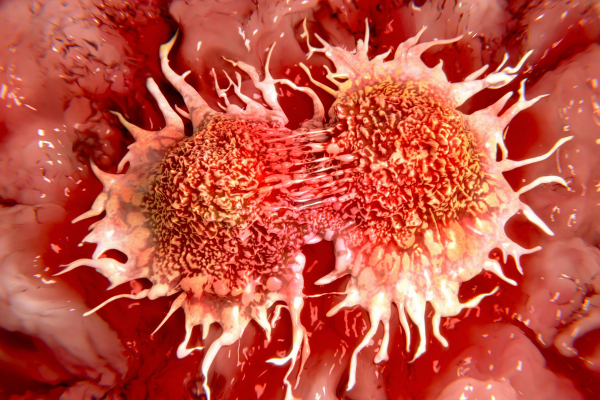
What Should You Look For?
When you first notice a lump, take note of its location.
It can also be useful to pay attention to whether it feels soft or firm, whether it moves freely beneath the skin, whether it seems attached to underlying tissue, and whether the skin over it looks irritated.
Watch for changes such as:
Rapid growth
Redness or swelling
Bleeding or discharge
Hair loss over the area
Ulceration or an open sore
Pain when touched
Your pet licking or chewing at the lump
These changes do not necessarily tell you what the mass is, but they can help determine how quickly it should be evaluated.
Size Isn't Everything
Owners sometimes assume that very small lumps do not need to be checked.
Unfortunately, size alone does not tell us whether a mass is important.
Some concerning growths begin as tiny nodules. Others may remain small for quite some time.
Likewise, a large lump is not automatically dangerous.
What matters most is identifying what type of tissue makes up the growth.
“It's Been There for Years” Doesn't Always Settle the Question
A lump that has remained unchanged for a long time is generally more reassuring than one that is growing quickly.
But long-standing masses can still change.
If a lump suddenly becomes larger, firmer, irritated, painful, or otherwise different after being stable for months or years, it should be reassessed.
Pets can also develop multiple different types of lumps at the same time.
Just because one previous mass was diagnosed as a harmless lipoma does not mean every new lump will be the same.
How Do Veterinarians Check a Lump?
One of the most common first steps is a fine-needle aspirate.
During this procedure, a small needle is inserted into the mass and cells are collected for examination.
For many pets, this can be performed during a regular appointment and may not require sedation.
The cells may be examined in the clinic or sent to a veterinary laboratory.
A fine-needle aspirate can often provide valuable information, but it does not give a definitive answer in every case. Some masses do not release enough useful cells, and certain types of tumours can only be properly identified by examining a larger tissue sample.
In those situations, a biopsy or surgical removal may be recommended.
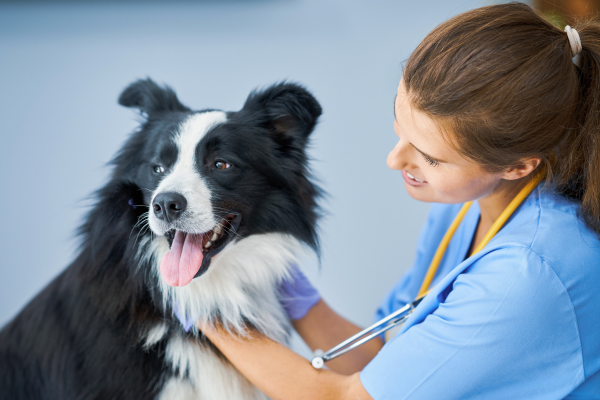
Why Earlier Evaluation Can Help
There is a practical advantage to checking a mass while it is still small.
If removal is eventually recommended, surgery may be easier before a growth becomes very large or begins involving surrounding tissue.
Earlier identification can also give owners more treatment options if the mass turns out to be something requiring medical attention.
The goal is not to remove every bump your pet develops.
It is to know what you are dealing with whenever possible.
Check Your Pet Regularly
You do not need to conduct a formal medical examination at home.
Simply make a habit of feeling your pet while brushing them, drying them after a bath, or giving them their usual belly rub.
Run your hands over the chest, abdomen, legs, neck, shoulders, back, and around the tail.
If you find something new, make a note of where it is.
Taking a photo next to a ruler or coin can sometimes make it easier to monitor changes in size over time.
When Should a Lump Be Checked?
Any new lump can reasonably be brought to your veterinarian's attention.
That becomes especially important if it is growing, changing, painful, bleeding, ulcerated, or bothering your pet.
Your veterinarian may recommend testing it immediately or simply monitoring it, depending on what they find during the examination.
Either way, you have more useful information than you did before.
Most pet owners will discover a lump at some point during their animal's life.
Try not to assume the worst, but do not ignore it either.
When it comes to lumps and bumps, identifying what something actually is will always be more reliable than judging it by appearance alone.
