
How Often Should My Pet Really Have a Wellness Exam?
One of the most common questions pet owners ask is surprisingly simple:
"If my pet seems healthy, do they really need to see the veterinarian every year?"
It's a fair question. After all, if your dog is eating well, your cat is acting normally, and nobody appears sick, it can be easy to assume everything is fine.
The challenge is that pets are remarkably good at hiding illness.
Unlike people, they can't tell us when they have a headache, feel nauseous, are developing arthritis, or have started drinking more water than usual. In many cases, subtle health changes begin long before obvious symptoms appear.
That's where wellness examinations play such an important role.
Wellness Exams Are About More Than Vaccines
Many owners associate annual veterinary visits primarily with vaccinations. While vaccines remain an important part of preventive care, a wellness examination is much more comprehensive.
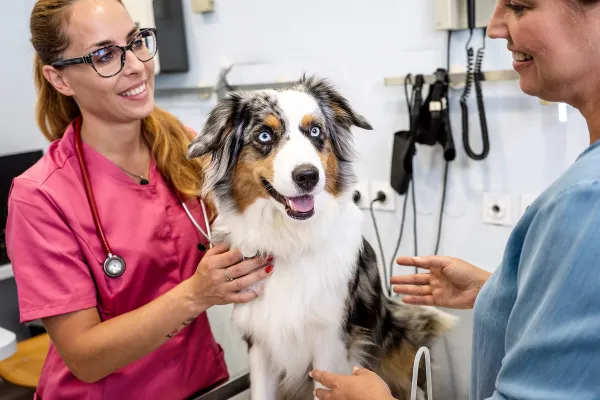
During a wellness visit, veterinarians assess your pet from nose to tail. We evaluate weight, body condition, skin and coat quality, eyes, ears, teeth, heart, lungs, joints, and overall physical health. We also discuss any behavioural changes, lifestyle factors, nutrition concerns, or questions you may have about your pet's care.
These visits provide an opportunity to identify potential issues before they become larger problems.
Why Early Detection Matters
Many common diseases develop gradually.
Kidney disease, diabetes, dental disease, arthritis, thyroid disorders, and certain cancers can all progress for months, or even years, before obvious symptoms appear.
By the time a pet starts showing visible signs of illness, the disease process may already be advanced.
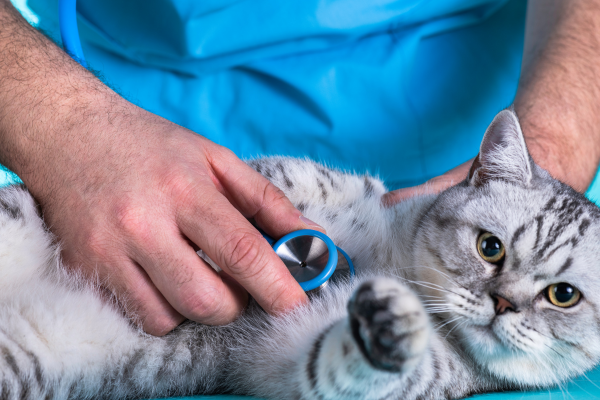
Regular wellness examinations allow veterinarians to monitor trends over time and identify subtle changes that owners may not notice at home. Something as simple as a small weight loss, a new heart murmur, or changes in dental health can provide valuable clues about a pet's overall wellbeing.
Pets Age Faster Than We Do
One reason routine veterinary care is so important is that pets age much more quickly than humans.
A year in the life of a senior dog or cat can represent significant physiological changes. Health conditions that were absent during one visit may be developing by the next.
For younger, healthy adult pets, annual wellness examinations are generally recommended. Senior pets, however, often benefit from more frequent evaluations.
As pets age, veterinarians may recommend examinations every six months to help monitor for age-related conditions and catch potential problems earlier.
Bloodwork and Preventive Screening
Many wellness visits also include discussions about diagnostic screening.
Routine bloodwork can provide important information about organ function, blood cell counts, blood sugar levels, and other internal health indicators. These tests often detect abnormalities before a pet begins showing outward signs of illness.
Think of it as looking under the hood of a vehicle. Everything may appear fine from the outside, but diagnostic testing can sometimes reveal concerns that would otherwise go unnoticed.
This becomes increasingly valuable as pets enter their senior years.
Building a Health History
Another often-overlooked benefit of regular wellness examinations is the ability to establish a long-term health record.
Each visit provides information that helps veterinarians understand what is normal for your pet. Over time, trends become easier to identify, making it possible to detect subtle changes that may indicate developing health concerns.
Even when everything appears healthy, those visits create valuable baseline information that can guide future care.
The Value of Preventive Care
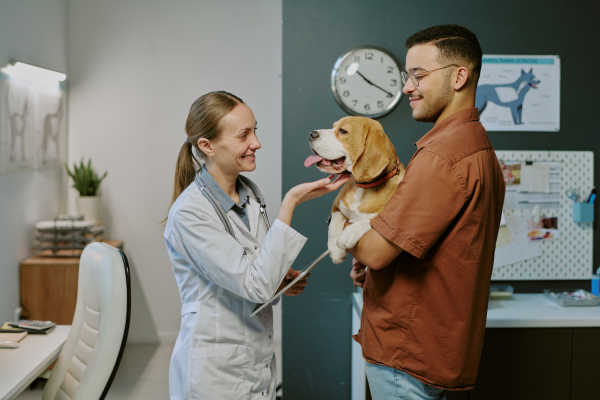
Preventive medicine is one of the most effective ways to help pets live longer, healthier lives.
Rather than waiting for illness to develop, wellness care focuses on maintaining health, identifying risks early, and addressing concerns before they become serious.
In many cases, early intervention is less invasive, less stressful, and more effective than treating advanced disease.
Most importantly, preventive care helps ensure your pet enjoys the highest possible quality of life throughout every stage of their journey.
So, How Often Should Your Pet Be Examined?
The answer depends on factors such as age, health status, breed, and lifestyle. However, for most pets, annual wellness examinations are the minimum standard of care.
Senior pets, pets with chronic medical conditions, or animals receiving ongoing treatment may benefit from more frequent visits.
If you're unsure what schedule is appropriate for your pet, your veterinarian can help create a plan tailored to their individual needs.
A Year Can Change a Lot
When you see your pet every day, gradual changes can be difficult to recognize. That's why routine wellness examinations remain one of the most valuable tools in veterinary medicine.
At Ospika Animal Hospital, we believe preventive care is one of the greatest gifts you can give your pet. Regular wellness visits allow us to monitor their health, identify concerns early, and help them enjoy many happy years by your side.
Your pet may look perfectly healthy today, and we hope they are. A wellness exam helps us make sure they stay that way.
