
Senior Pet Care: Helping Pets Age Comfortably
One of the greatest gifts of pet ownership is watching our animals grow alongside us.
The energetic puppy that once chewed everything in sight becomes a loyal companion who knows your daily routine better than anyone. The mischievous kitten who raced through the house at 2 a.m. eventually settles into a comfortable rhythm of sunny naps and quiet companionship.
As much as we'd like them to stay young forever, our pets age far more quickly than we do. With age come changes in mobility, behaviour, vision, hearing, and overall health. While some of these changes are expected, many can be managed, and sometimes even improved, with the right care and attention.
Growing older doesn't have to mean a decline in quality of life. In fact, many senior pets enjoy some of their happiest years when their changing needs are properly supported.
When Is a Pet Considered a Senior?
There's no exact age at which every pet becomes a senior.
Generally speaking, most dogs and cats begin entering their senior years somewhere between seven and ten years of age, although this varies depending on breed and size. Larger dog breeds tend to age more quickly than smaller breeds, while many cats remain active well into their teens.
Regardless of the number of candles on the birthday cake, what matters most is recognizing the physical and behavioural changes that often accompany aging.

Aging Is Not a Disease
One of the most important things pet owners should understand is that aging itself is not an illness.
It's common to hear phrases like, "He's just getting old," when a dog stops wanting to go for walks or a cat no longer jumps onto the bed. While age certainly plays a role, these changes are often signs of underlying medical conditions rather than aging alone.
Arthritis, dental disease, kidney disease, heart disease, thyroid disorders, and cognitive decline become more common as pets age. Many of these conditions develop gradually, making them easy to mistake for normal aging.
The good news is that many age-related health issues can be managed successfully when identified early.
The Subtle Signs Owners Often Miss
Senior pets are masters of adaptation.
A dog with arthritis may continue to enjoy walks but take a little longer to stand up after resting. A cat experiencing joint discomfort may stop jumping onto high surfaces and instead choose lower resting places. These adjustments often happen so gradually that owners don't notice them until they look back months or years later.
Changes in appetite, increased thirst, weight loss, confusion, altered sleep patterns, accidents in the house, or decreased interest in activities can all be signs that something more than simple aging is occurring.
One of the most valuable things you can do as a pet owner is pay attention to small changes. They often provide the earliest clues that your pet could benefit from medical support.
Arthritis: One of the Most Common Senior Pet Conditions
If there is one condition that affects a significant number of aging pets, it's arthritis.
Many owners assume arthritis always causes obvious limping, but that's rarely the case. More commonly, pets become less active, avoid stairs, hesitate before jumping, or simply seem less enthusiastic about physical activity.
Cats are particularly skilled at hiding joint pain. In fact, studies suggest arthritis is far more common in cats than most people realize.
Fortunately, there are more treatment options available today than ever before. Weight management, therapeutic diets, supplements, rehabilitation therapies, and modern pain-control options can all help improve mobility and comfort.
The Importance of Senior Wellness Exams
As pets age, routine veterinary care becomes increasingly important.
Many veterinarians recommend senior pets undergo wellness examinations every six months rather than annually. While six months may not seem significant to us, it represents a substantial period of time in a pet's life.
Regular examinations allow veterinarians to monitor changes in weight, mobility, dental health, organ function, and overall wellbeing. Bloodwork and other screening tests can often identify problems before symptoms become obvious at home.
Early detection is one of the most effective tools we have for helping senior pets remain healthy and comfortable.
Nutrition Changes With Age
Just as nutritional needs change throughout our lives, the same is true for pets.
Some senior pets become less active and require fewer calories to maintain a healthy weight. Others may develop medical conditions that benefit from specific dietary support.
Maintaining a healthy body condition is particularly important for aging pets. Excess weight places additional stress on joints and can contribute to mobility issues, while unintended weight loss may signal underlying disease.
If you're unsure whether your pet's current diet is still appropriate, it's worth discussing during their next wellness visit.

Don't Forget About Dental Health
Dental disease is one of the most underdiagnosed sources of chronic pain in senior pets.
Many animals continue eating despite significant oral discomfort, which can make dental problems difficult for owners to recognize. Bad breath, tartar accumulation, inflamed gums, and difficulty chewing are all signs that deserve attention.
Addressing dental disease doesn't just improve oral health, it can dramatically improve comfort, appetite, and overall quality of life.
Supporting Your Pet at Home
Small changes around the home can make a big difference for senior pets.
Area rugs can provide better traction on slippery floors. Ramps or pet stairs may help dogs access vehicles or furniture more comfortably. Litter boxes with lower sides can make life easier for aging cats with arthritis.
Comfortable bedding, easy access to food and water, and maintaining a predictable routine can also help senior pets feel secure and supported.
These adjustments may seem minor, but they can significantly improve day-to-day comfort.
Quality of Life Matters
One of the most rewarding aspects of veterinary medicine is helping senior pets continue enjoying the activities they love.
The goal isn't simply extending life, it's maintaining quality of life.
Aging pets should still be able to enjoy walks, family time, meals, play, and rest without unnecessary discomfort. When medical conditions arise, addressing them early often allows pets to remain active and engaged for much longer than many owners expect.
Growing Older Together
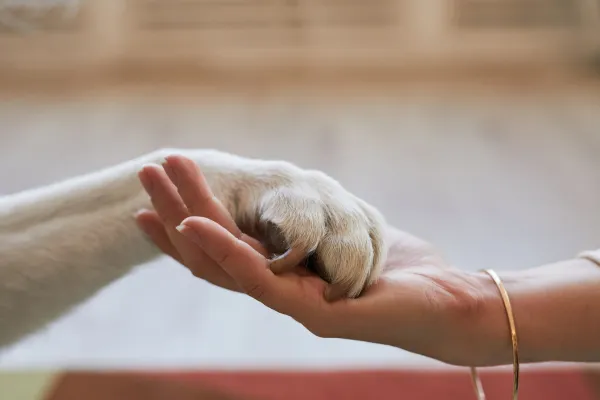
There is something special about the bond we share with senior pets.
They've been with us through major milestones, daily routines, and countless ordinary moments that become treasured memories. As they age, they depend on us to recognize when their needs begin to change.
At Ospika Animal Hospital, we're passionate about helping senior pets enjoy their golden years with comfort, dignity, and the best possible quality of life. Through regular wellness care, early disease detection, pain management, and personalized treatment plans, many age-related challenges can be successfully managed.
Getting older is a privilege not every pet receives. With the right care and support, those senior years can be some of the very best.
