
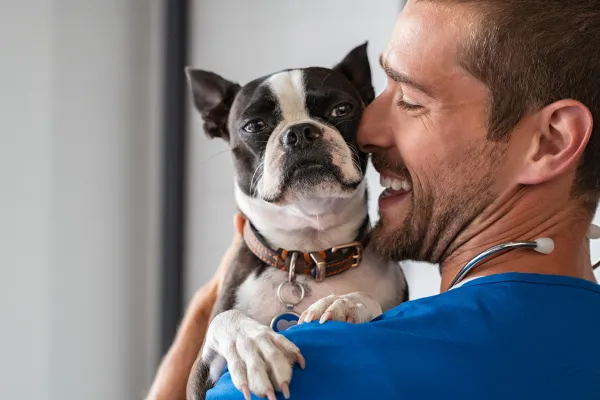
Tools to Help Manage Your Pet’s Anxiety During Veterinary Visits
For many pets, a trip to the veterinarian can be stressful. New smells, unfamiliar people, other animals, and past experiences can all contribute to anxiety, even in pets who are calm and confident at home.
The good news is that there are many effective tools and strategies to help reduce stress during vet visits, and anxiety doesn’t have to be “just part of the experience.” With the right approach, veterinary visits can become calmer, safer, and more positive for both pets and their people.
At Ospika Animal Hospital, we work closely with pet owners to tailor anxiety-management plans that suit each individual pet.
Understanding Anxiety in Pets
Anxiety can show up in different ways depending on the pet. Some dogs become vocal or restless, while others freeze or try to hide. Cats may become withdrawn, aggressive, or unusually quiet.
Common signs of anxiety during vet visits include:
Panting, trembling, or pacing
Excessive vocalization
Attempts to escape or hide
Growling, hissing, snapping, or biting
Loss of appetite or refusal of treats
Tense body posture
Recognizing these signs early allows us to intervene before fear escalates.
Pheromone Products: Adaptil and Feliway
Synthetic pheromone products are a simple and effective first step for many pets.
Adaptil (for dogs) and Feliway (for cats) mimic calming pheromones that pets naturally release when they feel safe. These products don’t sedate pets, instead, they help create a sense of familiarity and security.
They’re available in several forms:
Sprays for carriers, bedding, or vehicles
Diffusers for use at home
Collars for dogs
Pheromones are especially helpful for pets with mild to moderate anxiety and can be used safely alongside other strategies.
High-Value Rewards and Positive Associations
Food can be a powerful tool when used thoughtfully.
Bringing high-reward treats that your pet only receives during vet visits can help create a more positive association. Soft, smelly treats tend to work best, especially for nervous dogs.
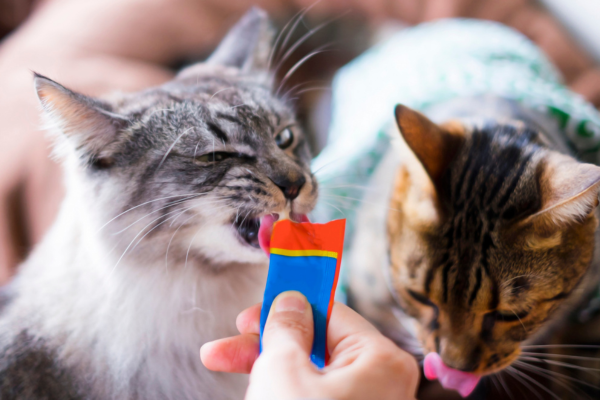
For cats, small amounts of a favourite food or a lickable treat may help reduce tension, though some cats prefer minimal handling and no food during stressful moments.
Your veterinary team can help determine whether treats are appropriate for your pet’s situation and health needs.
Carrier and Travel Comfort
Anxiety often begins before your pet even arrives at the clinic.
For cats:
Leave the carrier out at home so it becomes a familiar space
Add soft bedding or clothing that smells like home
Use pheromone spray in the carrier before travel
For dogs:
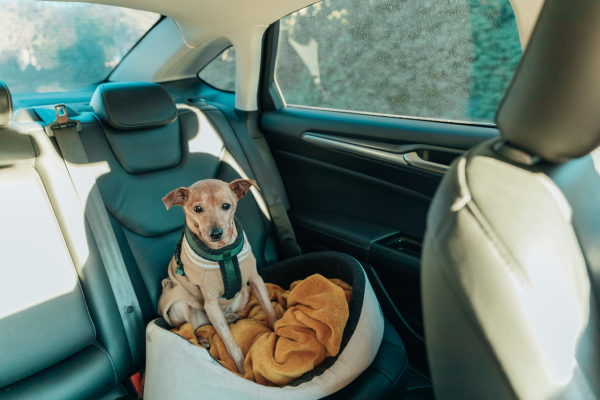
Practice calm car rides that don’t always end at the vet
Use a secure leash or harness to prevent stress during transitions
Reducing travel-related stress can significantly improve how pets feel once they arrive.
Learn more about helping your pets have a low-stress visit.
Handling Techniques and Low-Stress Visits
Veterinary teams are trained in low-stress handling techniques designed to minimize fear and restraint whenever possible. This may include:
Allowing pets to stay with their owner during exams
Using towels or gentle wraps for comfort
Moving slowly and giving pets time to adjust
Every pet is different, and what works well for one may not work for another. Communication with your veterinary team is key.
Medical Support for Anxiety
For pets with moderate to severe anxiety, medical intervention may be appropriate.
This can include:
Short-acting anti-anxiety medications given before visits
Daily medications for ongoing anxiety conditions
Combination therapy using medication alongside behaviour modification
Medication is not a “last resort” or a failure, it’s often a compassionate and effective way to reduce fear and prevent negative experiences from worsening over time.
Always speak with your DVM before starting any medication, as proper selection and dosing are essential for safety and effectiveness.
Behaviour Modification and Training
In some cases, anxiety is best addressed through gradual desensitization and training. This may involve:
Practicing gentle handling at home
Rewarding calm behaviour during mock exams
Scheduling “happy visits” that don’t involve procedures
Your veterinarian may also recommend working with a qualified trainer or veterinary behaviourist for additional support.
A Team Approach Works Best
Managing anxiety is rarely about just one tool. The most successful plans often combine:
Environmental changes
Pheromone support
Rewards and positive reinforcement
Veterinary handling strategies
Medical support when needed
Open communication between pet owners and their veterinary team ensures that each visit builds trust rather than fear.
Anxiety during vet visits is common, but it doesn’t have to be unavoidable. With the right tools and guidance, most pets can learn that veterinary care is safe, manageable, and even positive.
If your pet shows signs of stress during appointments, talk to your veterinarian. Together, you can create a personalized plan that supports your pet’s emotional well-being while ensuring they receive the care they need.
