

Is My Pet Just Slowing Down, or Could It Be Arthritis?
One of the most common things pet owners tell us is, "I think he's just getting older."
Maybe your dog doesn't race to the door when it's time for a walk anymore. Perhaps your cat no longer jumps onto the top of the cat tree or sleeps on the bed every night. These changes often happen gradually, making them easy to attribute to normal aging.
While our pets do naturally slow down as they age, there is an important distinction that every owner should understand: slowing down and living with pain are not the same thing.
In many cases, the changes owners associate with old age are actually early signs of arthritis.
What Is Arthritis?
Arthritis is a condition that occurs when the tissues within a joint become damaged or inflamed over time. As cartilage wears down, joints become less smooth and more painful to move. This can lead to stiffness, reduced mobility, and discomfort that affects everyday activities.
Many people think of arthritis as a condition that only affects elderly pets, but that's not always the case. While it becomes more common with age, arthritis can develop in younger animals as well, particularly those with previous injuries, joint abnormalities, or certain breed predispositions.
The challenge is that pets often do an excellent job of hiding discomfort.
The Signs Aren't Always Obvious
When people think about arthritis, they often picture a dog with a noticeable limp. While limping can certainly occur, the early signs are often much more subtle.
A dog with arthritis may still enjoy walks but tire more quickly than they used to. They may hesitate before jumping into the vehicle or take a little longer to get up after resting. Some dogs become less interested in games they once loved or seem reluctant to use stairs.
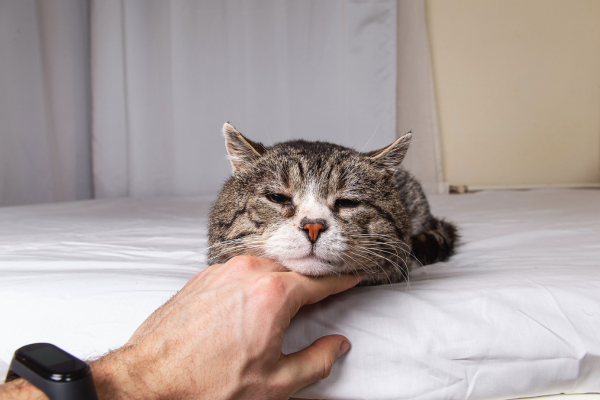
Cats can be even more difficult to read. Rather than showing obvious signs of pain, they often adapt their behaviour. A cat that once jumped onto high shelves may begin spending more time on lower furniture. Some cats groom themselves less effectively because twisting and bending become uncomfortable. Others simply become quieter and less active.
Because these changes develop gradually, owners often don't notice them until they look back and realize how much has changed over time.
Arthritis Doesn't Have to Mean a Poor Quality of Life
One of the most encouraging aspects of modern veterinary medicine is that arthritis is no longer viewed as something pets simply have to live with.
Years ago, treatment options were relatively limited. Today, veterinarians have access to a variety of tools that can help improve comfort, mobility, and overall quality of life.
Weight management is often one of the most important factors. Even a small amount of excess weight can place significant additional stress on joints. Maintaining a healthy body condition can dramatically improve mobility and reduce discomfort.
Exercise also remains important, although it may need to be adjusted. Consistent, moderate activity often helps keep joints moving and muscles strong. Long periods of inactivity can sometimes make stiffness worse.
Depending on the individual pet, treatment plans may also include joint supplements, prescription medications, therapeutic diets, rehabilitation therapies, or newer arthritis treatments designed to improve comfort and function.
Why Early Intervention Matters
Many owners wait until mobility issues become severe before discussing them with their veterinarian.
Unfortunately, arthritis doesn't improve on its own. Like many chronic conditions, it tends to progress over time. Identifying the problem early allows us to develop a management plan before discomfort significantly impacts your pet's daily life.
The goal isn't simply to add years to a pet's life. It's to help them continue enjoying the activities they love for as long as possible.
What Should You Watch For?
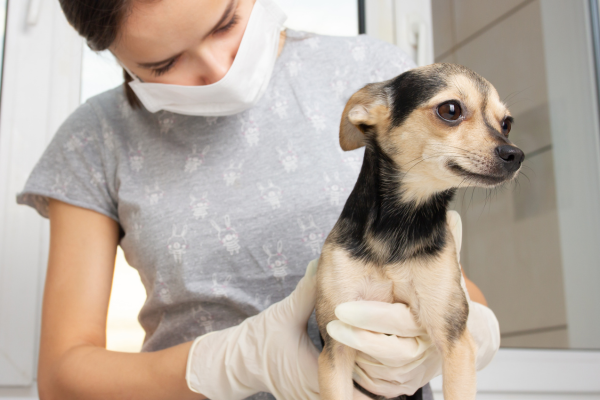
If you've noticed any of the following changes, it may be worth scheduling an appointment:
Difficulty getting up after resting
Reluctance to jump or climb stairs
Decreased interest in walks or play
Stiffness, especially after exercise
Changes in grooming habits
Sleeping more than usual
Reduced activity levels
Difficulty getting comfortable when lying down
While these signs don't always indicate arthritis, they are worth discussing with your veterinarian.
Growing Older Shouldn't Mean Living in Pain
One of the biggest misconceptions in pet care is that slowing down is simply an unavoidable part of aging. While some changes are expected as pets grow older, chronic pain should never be considered normal.
Many pets with arthritis continue to live active, happy lives when their condition is recognized and managed appropriately. Sometimes the first step is simply recognizing that a change has occurred.
At Ospika Animal Hospital, we encourage pet owners to pay attention to subtle changes in mobility, behaviour, and daily routines. If your pet isn't doing the things they once enjoyed, there may be an underlying reason—and there may be more options available than you realize.
Growing older is inevitable. Living with untreated pain doesn't have to be.
