
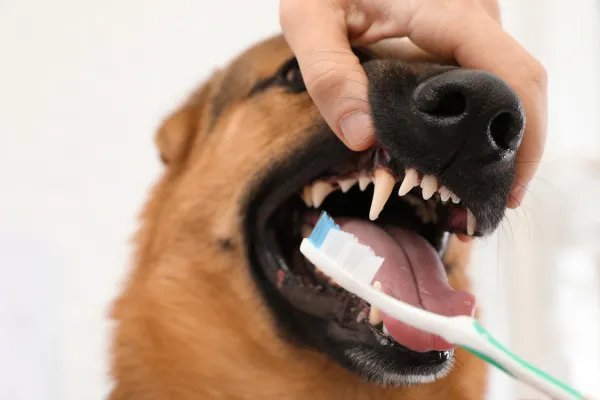
Dental Care for Pets: Prevention, Signs, and Treatment
Dental disease is one of the most common conditions we see in dogs and cats, and one of the most underestimated.
By the time most pets are 2–3 years old, a significant majority already have some level of periodontal disease, often without obvious signs at home. Because it develops gradually and quietly, it is frequently overlooked until it becomes more advanced.
When we talk about dental health, we are not just talking about teeth, we are talking about infection, inflammation, and long-term effects on your pet’s overall health.
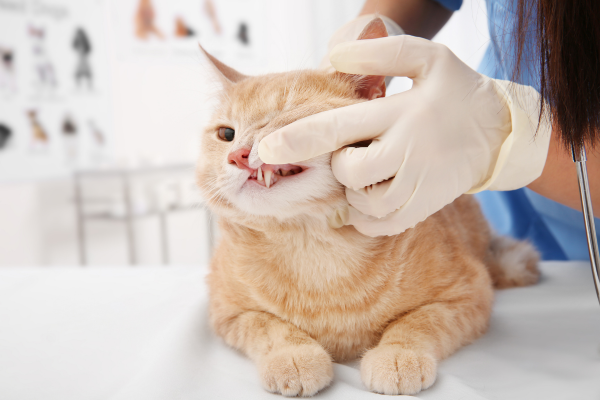
What Is Dental Disease?
Dental disease in pets is most commonly periodontal disease, which begins with plaque, a bacterial film that forms on the teeth.
If plaque is not removed:
It hardens into tartar,
Bacteria extends below the gumline,
Inflammation progresses from gingivitis to periodontitis, and
The structures supporting the tooth begin to break down.
At this stage, the disease becomes progressive and requires veterinary treatment.
Why Does Dental Health Matter?
Dental disease is not just about bad breath.
What we see clinically:
Chronic oral pain (even when pets continue eating),
Tooth root infections and/or abscesses,
Tooth loss, and
Bacteria entering the bloodstream.
Oral bacteria can circulate systemically and may affect organs such as the heart, liver, and kidneys .
Persistent bad breath is almost always a sign of underlying disease, not something normal.
Signs of Dental Disease to Watch For
Dental disease is often subtle. Common signs include:
Bad breath,
Red or bleeding gums,
Yellow or brown tartar buildup,
Dropping food or chewing on one side,
Pawing at the mouth, and
Decreased appetite (in more advanced cases).
It is important to note that many pets show minimal outward signs until disease is well established.
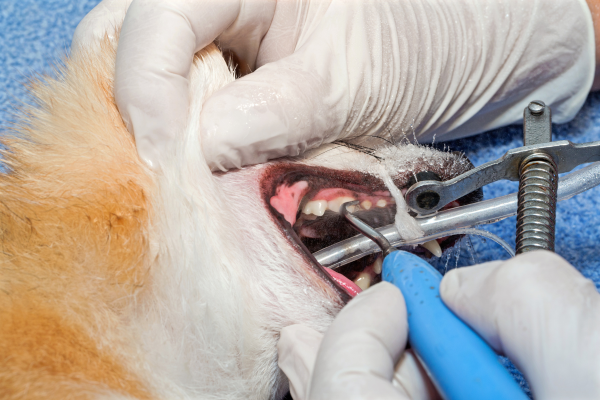
Prevention: What Actually Works at Home?
The most effective form of prevention is mechanical plaque removal, meaning brushing.
Brushing (Gold Standard):
Use pet-specific toothpaste,
Focus along the gumline, and
Aim for daily brushing, or as frequently as possible.
Plaque begins to reform quickly, often within 24 hours, so consistency is key.
What Are Alternatives to Brushing?
If brushing is not realistic, there are still helpful tools:
Veterinary-approved dental chews,
Dental diets designed to reduce plaque,
Water additives (adjunct only), and
Dental wipes.
These can help reduce buildup, but they do not replace brushing or professional care.
Dogs vs. Cats: What Are Some Key Differences?
Dogs
Small breeds are at higher risk due to crowding and faster tartar accumulation.
Dogs often tolerate brushing better with training.
Some dog chew toys can fracture teeth if they are too hard.
Cats
Cats are more prone to tooth resorption, a painful and common condition.
Cats often show fewer outward signs of oral pain.
Cats may require alternative approaches to home care.
What Are Professional Dental Cleanings?
Even with good home care, most pets will require professional dental cleanings.
These are medical procedures that include:
Scaling above and below the gumline,
Full oral examination, and
Dental radiographs when indicated.
Anesthesia is required, because dental disease occurs below the gumline and a thorough, pain-free assessment is not possible in an awake patient.
Non-anesthetic cleanings do not address the underlying disease.
When Should I Book A Dental Exam?
We typically recommend:
Annual dental assessments for most pets, and
Earlier or more frequent evaluations for high-risk patients.
If you are noticing any signs of dental disease, it is best to have your pet evaluated sooner.
The Bottom Line
Dental disease is:
Extremely common,
Progressive, and
Often not visible until advanced.
However, it is also one of the most preventable conditions we see.
A combination of:
Regular veterinary exams,
Consistent home care, and
Timely professional cleanings
can significantly improve your pet’s comfort, health, and long-term wellbeing.
From the Team at Ospika Animal Hospital
If you are unsure about your pet’s dental health or where to start, we are happy to help.
We can:
Assess your pet’s oral health,
Recommend a realistic home care plan, and
Determine if a dental cleaning is needed.
When it comes to dental disease, early intervention makes a meaningful difference.
